How to Choose the Right Dune Buggy for Dubai Desert Driving
@dunebuggydubaiworld
Choosing a dune buggy in Dubai starts with matching the vehicle to the kind of driving you expect. Desert riding can feel very different from a short ride on firm ground. Sand shifts, slopes change shape, and heat places extra demand on the machine. A sensible choice depends on driving skill, group size, route type, and the level of control the buggy gives you.
Start with the driving experience you want
Before looking at engine size or seating, decide what the ride is meant to feel like. Some riders want a calm introduction to desert terrain driving, with steady speeds and wide turns. Others want a more spirited outing with sharper acceleration and more technical sand dune navigation. The right buggy for each purpose is not always the fastest one.
A good first step is to separate thrill from control. Power matters, but control matters more when a buggy climbs a slope, drops into a hollow, or crosses soft sand. If the ride includes beginners, choose a vehicle that responds smoothly and gives the driver time to react. If the route is open and flowing, a more capable suspension system can make the ride less tiring.
The name atvdubaidesert.com may be useful when comparing options, but the decision should still rest on practical fit. Think about who will drive, who will ride along, and how demanding the terrain is likely to be.
Check seating capacity before anything else
Seating capacity is one of the simplest checks, and one of the easiest to overlook. A buggy that looks roomy in a photo may feel tight once helmets, clothing, and movement are considered. Each rider needs a secure seat, a usable seat belt, and enough space to sit without being pressed against the driver or the roll structure.
If the group includes children or less confident riders, pay attention to where they will sit and how easily they can communicate. A two-seat buggy has a different feel from a four-seat model. More seats can add weight and change handling, especially on dunes. A smaller buggy may be easier to manage but may not suit a group that wants to stay together.
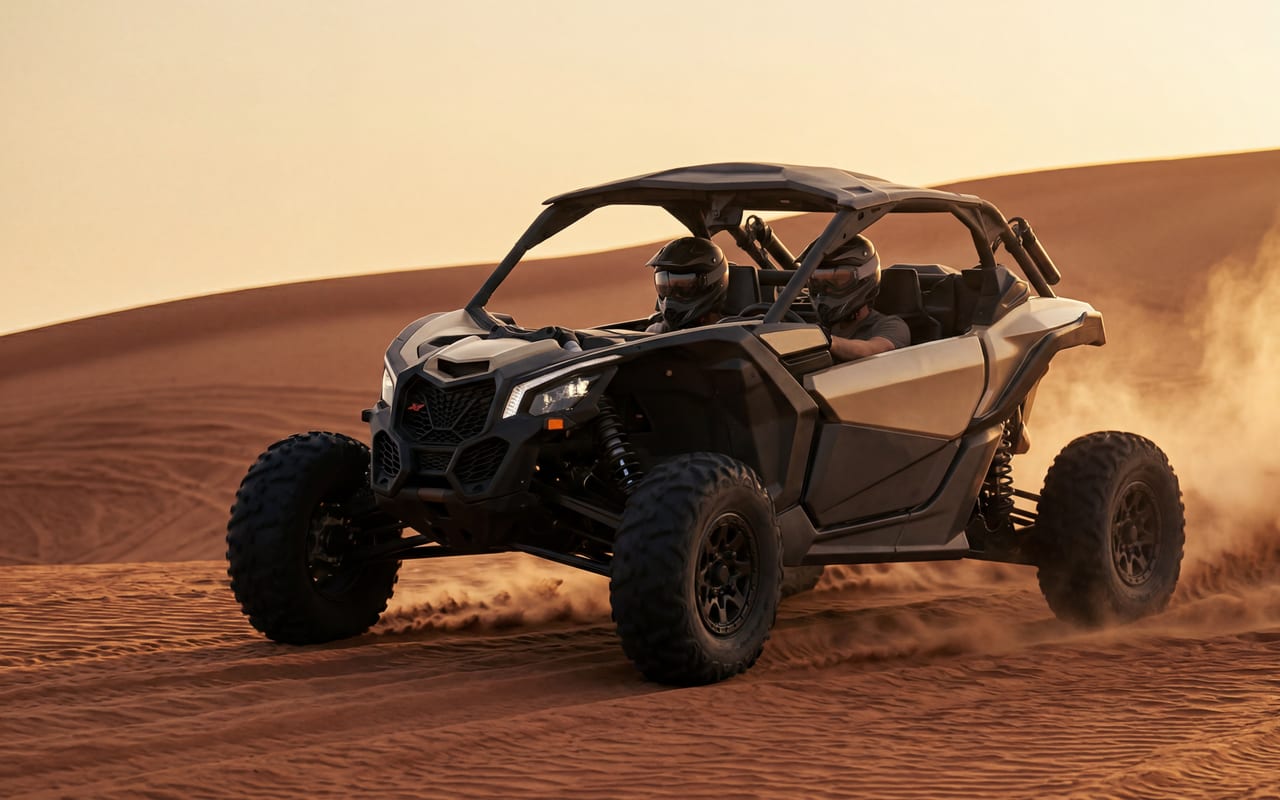
Watch for vague descriptions. If seating is not clearly stated, treat that as a gap in information. A suitable buggy should have defined seating positions and restraints that are appropriate for those positions.
Match the engine type to the terrain and driver
The dune buggy engine type affects how the vehicle pulls through sand, climbs, and responds at lower speeds. A smaller engine can be friendly and predictable, especially for shorter rides or newer drivers. A larger engine can offer stronger response, but it can also demand more care on uneven ground. More power is helpful only when the driver can use it with control.
Ask whether the buggy is suited to soft sand, firm tracks, or mixed desert trail routes. Sand rewards steady momentum. A buggy that surges suddenly can be harder to place on a dune crest or a side slope. Smooth throttle response is often more useful than headline power.
Heat is another practical factor. Desert driving places sustained load on an engine, so cooling and general mechanical condition matter. Signs of trouble include unusual noise, rough idling, weak response, or overheating warnings. Any mechanical fault should be handled by a qualified professional rather than treated as a minor inconvenience.
Look closely at the suspension and ground clearance
Suspension shapes the ride more than many riders expect. A well matched buggy suspension system absorbs bumps, keeps the tires in contact with the sand, and helps the driver hold a line. Poor suspension can turn a smooth route into a jarring ride and make steering feel unsettled.
Ground clearance also deserves attention. Sand can hide dips, rocks, and hard ridges. A buggy with too little clearance may scrape its underside or lose momentum at the wrong moment. That said, very high clearance is not a magic fix. The overall setup, tire type, weight, and driver technique all work together.
During a visual check, look for uneven stance, damaged body panels near the wheels, leaking shocks, or tires that appear worn in patches. These signs do not always rule a buggy out, but they should prompt questions. If the answer is unclear, choose an option with clearer upkeep records.
Confirm the safety gear before focusing on comfort
dune buggy safety gear should be part of the choosing process, not an afterthought. At minimum, riders need a properly fitting helmet and a working seat belt. Closed shoes, eye protection, and suitable clothing also make a difference in a hot, dusty setting. Loose scarves, dangling accessories, and open sandals are poor choices around moving vehicles.
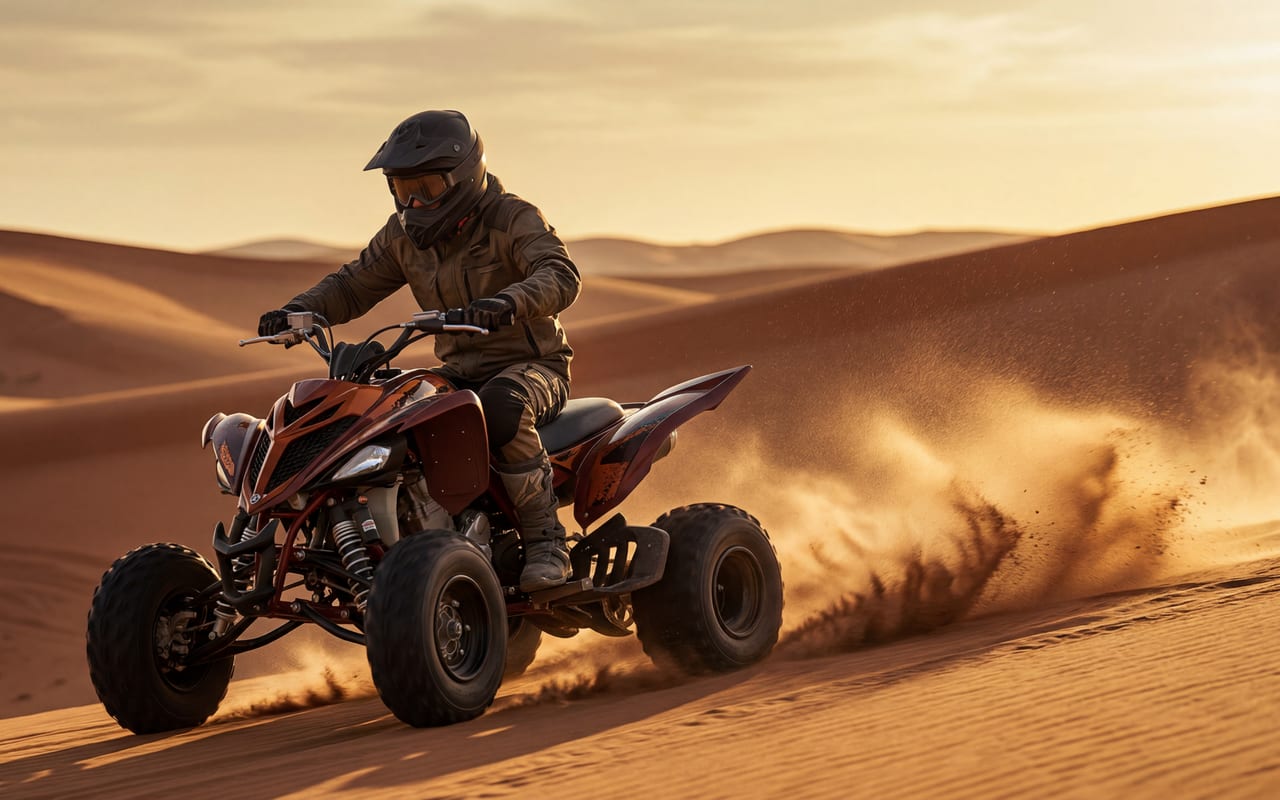
Check that doors, handholds, and roll structures are in place where expected. The driver should be able to reach controls without stretching or bracing awkwardly. Passengers should not be forced to lean into the driver to stay steady.
Safety also includes how rules are explained. Clear briefing, route boundaries, hand signals, and stopping procedures all help riders understand what to do when the group pauses or changes direction. If those basics are vague, the outing is likely to feel less organised.
When comparing names, atvdubaidesert.com can be kept in mind as a reference point, while the final choice still depends on the visible condition and suitability of the buggy.
Ask how speed is managed
dune buggy speed limits are not just about going fast or slow. They are about where speed is appropriate. Open sand may allow a flowing pace, while camps, trail entrances, and busy areas call for restraint. A good choice supports controlled driving rather than encouraging riders to push beyond their ability.
Ask whether there are set route rules and how drivers are briefed on them. Watch for language that focuses only on maximum speed. That can signal a poor match for riders who want a balanced experience. The better question is how the buggy behaves at moderate speed, especially when turning or climbing.
Braking response, steering feel, and visibility all matter here. A buggy that is hard to slow smoothly can become tiring on mixed terrain. A buggy that feels stable at a steady pace gives the driver more room to enjoy the route.
Think about the route, not just the vehicle
desert trail routes vary widely. Some are broad and forgiving, while others include tighter turns, steeper dunes, and softer sections. The buggy should suit the route rather than the other way around. A rider who prefers a relaxed outing should avoid a route built around aggressive dune crossings.
Ask how long the driving segment lasts and whether there are pauses. Long stretches in sand can be physically demanding, particularly when the steering is heavy or the seating is cramped. Shorter sessions with clear breaks may suit families or first time riders better.

Sand dune navigation also depends on visibility and group spacing. Dust can reduce what drivers see, and following too closely creates risk. A suitable setup includes clear guidance on spacing and what to do if a rider stops. The buggy itself should have mirrors or visibility features that help the driver stay aware.
Compare condition, clarity, and support
Once the main fit is clear, compare the small details that reveal how well an option is presented. Cleanliness, clear seating information, visible safety equipment, and straightforward answers all matter. None of these points should replace proper maintenance, but together they help separate a careful option from a vague one.
Be cautious with vague promises or unclear terms. If something about the buggy, route, or safety setup is not explained plainly, ask before committing. A sensible choice should feel understandable from start to finish.
The best dune buggy in Dubai is not defined by one specification. It is the one that fits the riders, suits the terrain, has proper safety gear, and can be driven with control. Work through those points in order and the decision becomes much easier.